Tagged: Ruth Davenport

MLAs’ pay and public begrudgery – feedback

Contrarian reader Kirby McVicar responds to our post on MLAs’ pay and public begrudgery:

The question that springs to my mind is: “Who are you and what have you done with Parker Donham?”

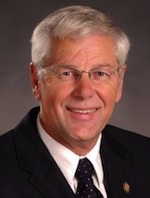
Resigned MLA<BR>Richard Hurlburt

Resigned MLA Richard Hurlburt

What I hear you say is, ”Well, MLA’s only stole a little bit, and it’s the media’s and the public’s fault for not providing adequate salary.” Are you serious?

What does this line of thinking say to all the honest MLA’s who did not steal from the public purse: “You missed out on an opportunity we, the public and the media, set up for you. How stupid of you!”

I agree that politicians need an independent body to set remuneration policy that is binding, but this issue should not be confused with theft from the public purse.

Where is the CBC Parker, from the “Harry and Parker Show” who would have spent 15 minutes railing against such a rationale? Has the election of an NDP government outed you?

I was out of the country, but wasn’t it a Tory MLA who resigned? After the jump, more reader reaction.

Read more »

An ethical guide to grief porn

University of Wisconsin Journalism Professor Stephen J. A. Ward, who was founding chair of the Canadian Association of Journalists’ ethics advisory committee, offers sensible guidelines for coverage of emotional stories like the Haitian earthquake [previous discussion here, here, and here]:

The best disaster journalism is engaged and objectively tested journalism. Journalism based only on emotion can be incorrect or manipulated. Journalism based only on a studied neutrality is not only an inhuman attitude toward a disaster. It fails to tell the full story.

A journalism of disasters is not a journalism of Olympian detachment. It is not a journalism fixated on stimulating the emotions of audiences. It is a humanistic journalism that combines reason and emotion. Humanistic journalists bring empathy to bear on the victims of tragedy – an empathy informed by facts and critical analysis.

Hat tip: Ruth Davenport